Introduction
Living with an ostomy can be a life-altering experience for lots of people. In this overview, we'll look into whatever you need to understand about stomas-- from their meaning and kinds to care techniques and training programs offered for both individuals and caretakers. Whether you have actually lately gone through surgery or are supporting someone who has, understanding ostomy fundamentals is important for handling life successfully.
Understanding Ostomy Fundamentals: What You Need to Understand About Stomas
What is a Stoma?
A stoma is a surgically created NDIS complex bowel training resources opening externally of the body that links an internal organ to the outside environment. This procedure is typically needed when component of the digestive system or urinary system is harmed or needs to be eliminated, typically as a result of illness like cancer cells, inflammatory digestive tract disease (IBD), or distressing injuries. The stoma enables waste products-- whether feces or urine-- to leave the body in a regulated manner.
What is an Ostomy?
An ostomy describes the surgery that creates a stoma. There are different types of ostomies based on which component of the gastrointestinal or urinary system is included:

- Colostomy: A part of the colon is diverted via the stomach wall. Ileostomy: The end of the ileum (the tail end of the small intestine) is brought out. Urostomy: This includes rerouting urine away from a diseased bladder.
Understanding these terms sets the structure for navigating ostomy care and its implications.
What is an Ostomy Stoma?
The term "ostomy stoma" essentially integrates both interpretations above; it explains the opening that arises from an ostomy procedure. The attributes of an ostomy stoma can vary substantially relying on factors such as location and surgical technique used.
What is Ostomy Care?
Ostomy treatment entails managing and maintaining health around the stoma site, making certain that it stays tidy, healthy and balanced, and without issues. Appropriate treatment lessens risks like skin inflammation, infections, and leakages from devices designed to collect waste.
The Significance of Stoma Care Training for Carers
Stoma Treatment Training for Carers
When taking care of somebody with an ostomy, it's crucial for carers to go through specialized training. This ensures they are well-appointed with skills necessary for effective digestive tract treatment management.
Key Parts of Training
- Understanding makeup related to stomas Familiarity with different types of ostomies Practical skills in transforming bags and taking care of skin irritations Knowledge about dietary factors to consider post-surgery
Benefits of Correct Training
Empowers caretakers with confidence. Reduces anxiousness in patients. Promotes much better wellness outcomes via reliable management.Complex Bowel Care Courses
What Are Complex Bowel Care Courses?
Complex bowel care courses are educational programs created specifically for healthcare specialists and caregivers that support individuals with challenging digestive tract conditions, consisting of those with ostomies.
Course Highlights
- In-depth research study of digestive tract anatomy Advanced methods in caring for complicated cases Strategies for person education and learning on self-care
NDIS Complex Bowel Care Training
For those making use of NDIS (National Handicap Insurance coverage Plan) services in Australia, specialized complex bowel care training ensures that both patients and caregivers obtain tailored support aligned with nationwide standards.
Training Curriculum
- Understanding NDIS guidelines Best methods in bowel administration Accessing sources details to NDIS participants
Caring for an Ostomy: Practical Guidelines
Daily Management Tips
Managing an ostomy needs routine and consistency. Here are some useful suggestions:
Regularly Inspect Your Stoma: Inspect it daily for any kind of signs of irritability or changes. Use Quality Products: Buy premium bags and skin obstacles that match your lifestyle. Maintain Hygiene: Clean around your stoma gently however extensively each day.Dietary Factors to consider Post-Ostomy Surgery
Diet plays a critical duty in managing signs after going through ostomy surgical treatment:
Foods That Might Create Issues
- High-fiber foods originally post-surgery (e.g., beans, entire grains) Gassy foods like broccoli or carbonated drinks
Recommended Foods
Lean proteins (hen, turkey) Low-fiber fruits (bananas, applesauce) Plenty of fluids to stay hydratedUnderstanding Issues Related to Stomas
Common Concerns Dealt with by Ostomates
While several people adjust well post-surgery, complications can develop:
Skin Irritation Around Stoma
Skin inflammation may happen because of:
- Allergic responses to adhesive products Leakage around bags leading to skin contact with stool/urine
Blockages Brought on by Food
Certain foods may cause obstructions otherwise eaten effectively-- this can lead to abdominal discomfort or swelling.
FAQs Concerning Ostomies
1. What need to I expect after obtaining an ostomy?
After surgical treatment, expect some modification time as your body heals; you may likewise experience short-term adjustments in diet.
2. Can I still lead a regular life with a stoma?
Absolutely! Lots of people live complete lives post-surgery; modifications may be essential but most tasks stay possible.
3. Is there continuous support available?
Yes! Many health centers use outpatient support system; on-line forums are likewise fantastic resources.
4. Do I need special garments after my surgery?
Not always; nevertheless, some individuals choose looser-fitting garments until they feel comfy again.
5. Exactly how typically do I need to transform my ostomy bag?
It varies from person to person; generally talking, most change their bags every 3-- 7 days unless leakage occurs sooner.
6. Will having a stoma influence my capability to exercise?
While you must consult your doctor initially, many locate they can return to regular exercise when healed!
Conclusion
Navigating life with an ostomy requires expertise, skilled monitoring techniques, and psychological support systems customized toward specific needs. As detailed throughout this thorough guide-- Understanding Ostomy Fundamentals: What You Need to Find Out About Stomas-- the combination of proper training (like complex bowel care training), understanding about nutritional modifications post-surgery, efficient interaction among caregivers and doctor plays a vital role in accomplishing ideal wellness post-operatively.
Whether you're straight influenced by this life-altering event or supporting a person that is-- remember that community resources exist; do not hesitate connecting for aid when needed!
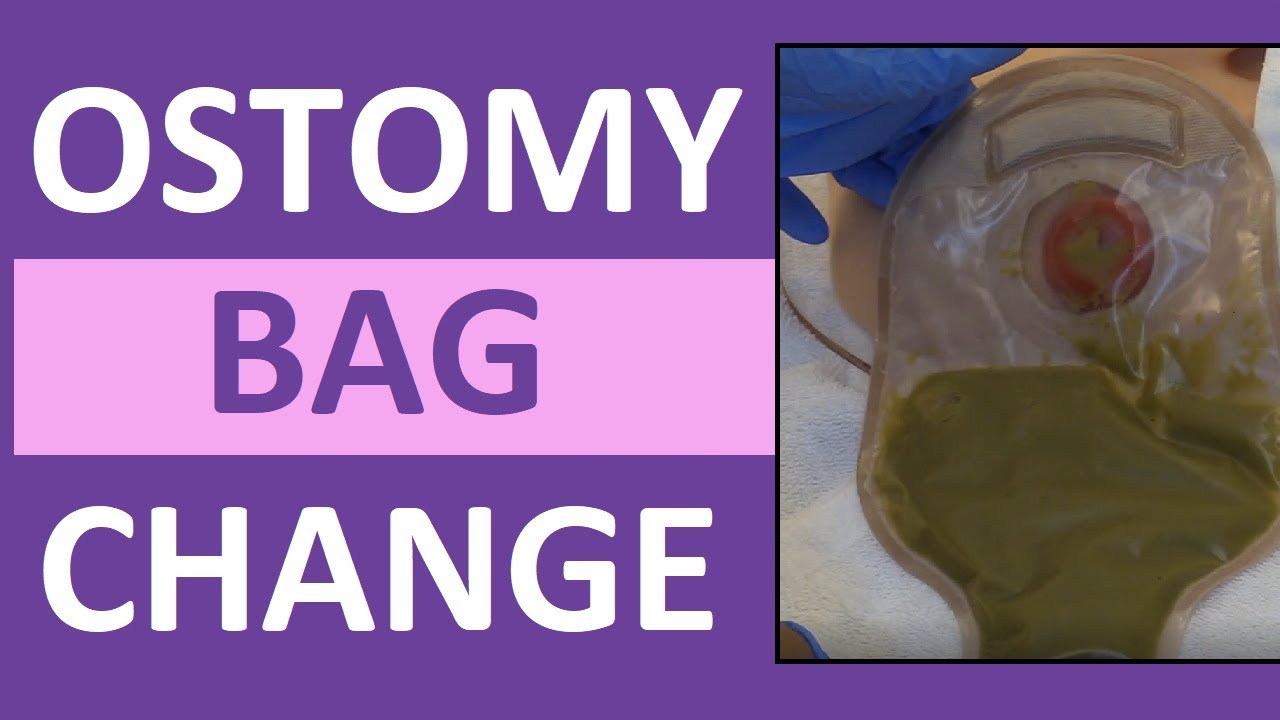
This post functions as both a fundamental introduction as well as a sensible referral factor concerning all things associated with caring for people living with stomas-- from definitions through extensive training options readily available today!